
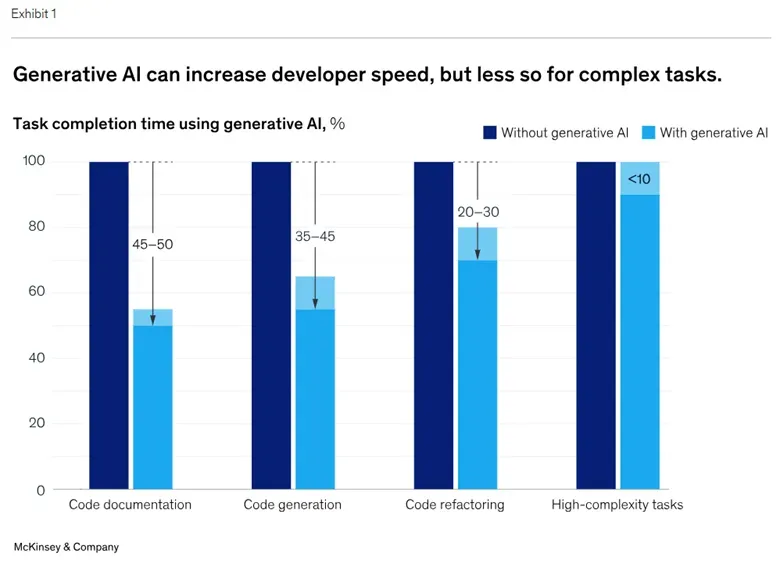
AI coding productivity is revolutionizing the landscape of software engineering, transforming how developers approach their tasks. With innovative AI coding tools like GitHub Copilot and Cursor, programmers are no longer solely reliant on their expertise to write code from scratch. Instead, they utilize artificial intelligence to streamline coding processes, potentially enhancing their overall efficiency. However, recent studies indicate that the effectiveness of AI software development may not be as universally beneficial as once thought, revealing complexities in AI’s impact on coding speed and accuracy. As AI tools evolve, understanding their influence on productivity will be crucial for developers striving to maintain a competitive edge in the rapidly changing tech arena.
When discussing the advancements in programming facilitated by automation technologies, terms such as AI-driven coding and intelligent software development come to the forefront. The integration of large language models (LLMs) into the coding process signifies a notable shift in the methodology of software creation and modification. These advanced models are designed to assist developers, enhancing their ability to tackle complex coding challenges while promoting innovation in software engineering with AI. Moreover, the implications of AI on developer productivity raise intriguing questions about efficiency and work habits as the landscape continues to evolve. As we delve deeper into this topic, the potential for transforming coding practices through AI’s assistance becomes increasingly clear.
AI Coding Productivity: A Double-Edged Sword
The advent of AI in software development has led to a dramatic shift in how coding is approached. While many believe that AI coding tools like GitHub Copilot and other LLMs enhance productivity by automatically generating code snippets, recent studies present a more nuanced picture. According to a study conducted by METR, experienced developers found that these AI tools could actually hinder their efficiency by approximately 20%. This revelation challenges the conventional wisdom of AI as a universal productivity booster in software engineering.
In practice, the integration of AI in coding practices requires developers to possess a deep understanding of the tools they are using. The potential productivity gains are often undermined by the necessity to engage in iterative communication with the AI, asking for clarifications or corrections in code that doesn’t exactly meet their expectations. As developers learn how to better harness the capabilities of AI coding tools, it raises questions about the real impact of these technologies on productivity metrics.
Frequently Asked Questions
How does AI coding productivity impact software engineering workflows?
AI coding productivity tools, such as Copilot and Cursor, have transformed software engineering workflows by allowing developers to offload repetitive coding tasks to AI. However, a recent study suggests that, contrary to popular belief, these tools may slow down experienced developers due to required back-and-forth interactions with the AI.
What are the benefits of using AI coding tools in software development?
AI coding tools enhance productivity by automating mundane coding tasks, enabling developers to focus on complex problem-solving. While initial findings indicate potential slowdowns for seasoned developers, these tools can also help newer coders improve their coding skills and efficiency over time.
Why might experienced developers experience reduced productivity with AI coding tools?
The METR study highlighted that experienced developers often face challenges when working with AI coding tools because LLMs may not fully understand their specific needs, leading to inefficient back-and-forth communication, which can hinder coding productivity.
Are AI coding tools effective for new software engineers?
New software engineers may experience increased productivity with AI coding tools, as they provide guidance and accelerate learning. These tools can help them navigate coding tasks more efficiently than without AI assistance.
What is the future of AI impact on coding productivity?
As AI technology evolves, the future of coding productivity looks promising. Researchers anticipate that the capabilities of AI in software development will continue to improve, potentially doubling the range of software tasks AI can handle within months, leading to significant benefits for developers.
How can software engineers optimize their use of AI coding tools?
To optimize AI coding productivity, engineers should learn to effectively communicate their needs to the AI, critically evaluate AI suggestions, and leverage these tools as assistive resources rather than complete solutions, ensuring they maintain a strong grasp of the underlying code.
What role do LLMs play in enhancing coding productivity with AI tools?
Large Language Models (LLMs) are central to AI coding tools, offering the ability to generate code snippets based on developer queries. However, their effectiveness hinges on the users’ ability to ask the right questions and provide context, which remains a critical skill in software engineering with AI.
| Key Point | Details |
|---|---|
| AI’s Impact on Coding Speed | A METR study shows experienced developers felt AI tools slowed them down by 20% instead of speeding them up. |
| Study Methodology | The study involved 16 developers working on complex software projects, analyzing their efficiency with and without AI assistance. |
| Challenges with AI Tools | LLMs often require multiple attempts to generate the desired results, causing more delays than traditional coding from scratch. |
| Human Factors | Developers may become distracted by AI interactions, leading to decreased productivity. |
| Potential for Future Improvement | As developers learn to leverage LLMs effectively, their productivity could improve over time as AI capabilities advance. |
Summary
AI coding productivity has been a topic of significant debate, particularly after a recent study revealed that AI tools may actually hinder experienced developers’ speed. Despite the common belief that AI accelerates coding processes, evidence suggests that the time spent interacting with AI can lead to unexpected delays. Nonetheless, as developers adapt to LLMs and these tools continue to evolve, there’s potential for improved efficiency in coding tasks in the future.