
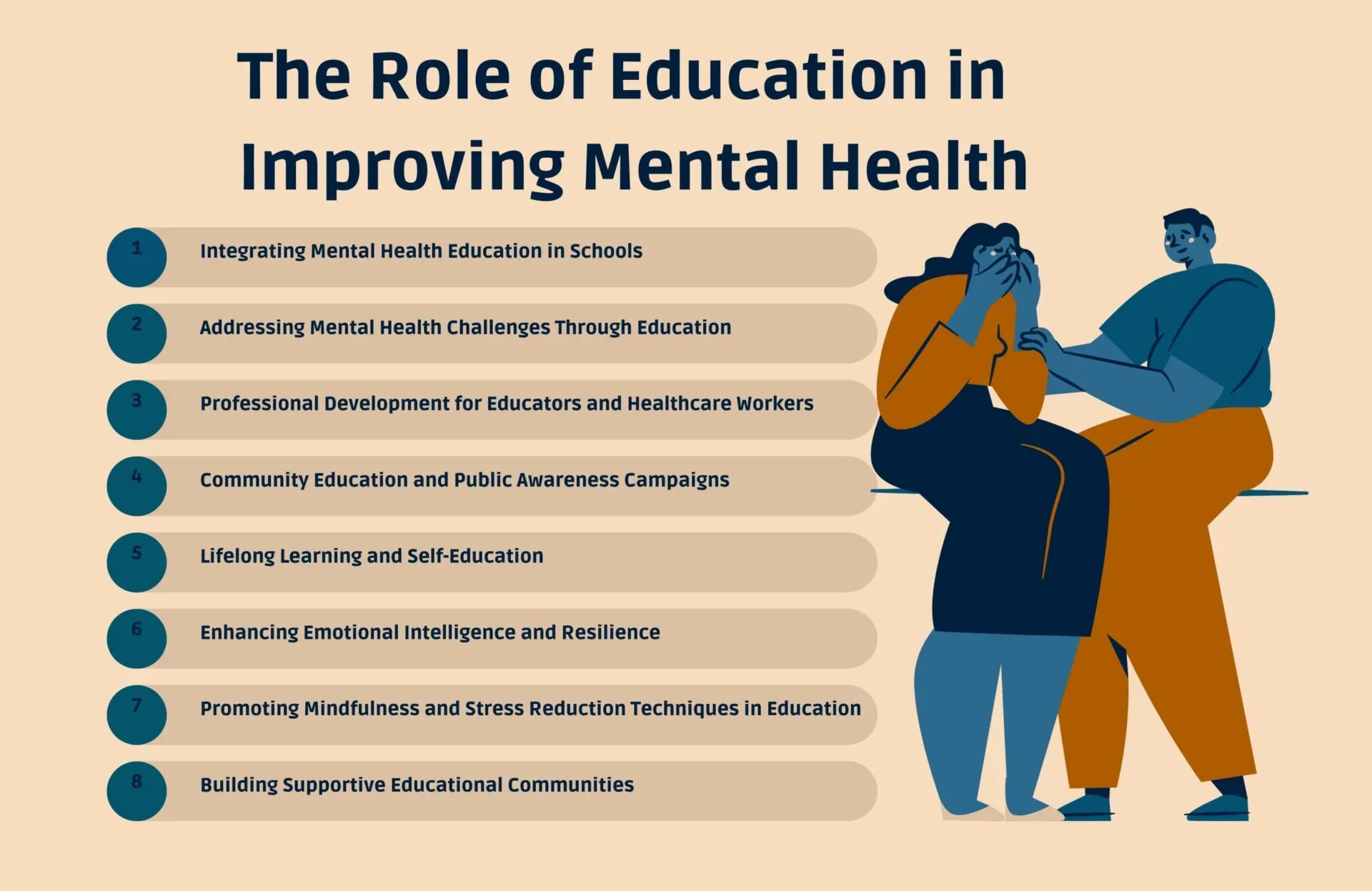
Education and Mental Health are deeply intertwined pillars that anchor student success in every classroom. When schools weave student well-being into daily learning, students become more engaged, more motivated, and better prepared to navigate challenges. A holistic view of education recognizes not only what students learn but how they feel while learning, linking mental health in education to stronger cognitive growth. In today’s classrooms, stressors—from academic pressure to social dynamics and external events—can disrupt concentration, attendance, and achievement. By prioritizing mental health within education, schools cultivate resilience, improve outcomes, and build a positive, inclusive culture, supported by education mental health resources.
Viewed through a holistic lens, the relationship between learning and emotional health centers on resilience and psychosocial supports within school communities. Educators and researchers speak in terms of social-emotional learning (SEL), cultivating self-regulation, empathy, collaboration, and wellbeing to support academic growth. Rather than treating mental health as an add-on, effective schooling embeds wellbeing into routines, instruction, and school culture. Equally important are partnerships with families, early identification, referral networks, and access to supportive services that normalize seeking help and reduce stigma.
Education and Mental Health: Integrating Well-Being into Daily Learning
Education and Mental Health are deeply interconnected pillars of student success. When schools weave well-being into daily learning, students become more engaged, motivated, and better prepared to navigate stress and challenges. This approach supports the concept of student well-being in school by embedding emotional regulation, social skills, and resilience into routines, classroom interactions, and academic tasks.
By leveraging education mental health resources and established school mental health programs, districts create a stigma-free environment that encourages help-seeking and collaboration among families, counselors, and teachers. This holistic view links well-being strategies in schools with cognitive development and achievement, ensuring that mental health in education enhances learning outcomes rather than competing with them.
Building School Mental Health Programs: A Whole-School, Multi-Tiered Framework
Effective school mental health programs blend universal supports with targeted services within a Whole-School, Multi-Tiered Approach. This structure ensures all students access SEL, trauma-informed teaching, and predictable routines that support focus, safety, and belonging, reinforcing well-being strategies in schools across daily practice.
This framework emphasizes data-informed decision making, cross-role collaboration, and ongoing professional development for teachers, counselors, and administrators. By integrating education mental health resources with policy, family engagement, and community partnerships, schools sustain school mental health programs that nurture student well-being in school while maintaining academic standards and equitable access to resources.
Frequently Asked Questions
How can schools integrate education and mental health to support student well-being in school?
Education and Mental Health are deeply interconnected. To support student well-being in school, adopt a whole-school MTSS framework with universal supports (school-wide SEL, trauma-informed teaching, predictable routines), targeted supports for students showing early distress, and individualized services when needed. Integrate mental health into daily learning through mindful moments and inclusive routines, and back these with a clear policy, data monitoring, and active family engagement to sustain impact.
What role do school mental health programs and education mental health resources play in implementing well-being strategies in schools?
School mental health programs and education mental health resources provide the infrastructure for prevention, early identification, and ongoing support, including on-site counseling, referral pathways, and professional development in trauma-informed and culturally responsive practices. They also enable digital tools for mindfulness and resilience. When aligned with well-being strategies in schools, they support universal SEL, targeted interventions, and equitable access, while data-driven monitoring helps sustain and scale these efforts.
| Theme | Key Points | Notes / Examples |
|---|---|---|
| The Link Between Education and Mental Health | Education and Mental Health are deeply interconnected; well-being integrated into learning improves engagement, motivation, and resilience. | Environments cultivate emotional regulation, social skills, and cognitive development alongside academics. |
| Policy & School Climate | Integrating mental health requires clear roles, resources, and collaboration among administrators, teachers, school nurses, counselors, and families; anti-stigma and culturally responsive approaches are essential. | Supports prevention, early identification, referral, and ongoing help; benefits the entire school community by fostering safety and trust. |
| Prioritize Well-Being in School | Well-being drives social-emotional development and academic achievement; connected, capable students attend more, participate more, and persist longer. | Well-being embedded in routines and school-wide policies shapes daily experiences and long-term outcomes. |
| Implementation Framework: Whole-School MTSS | Three-tiered approach: Universal, Targeted, Individualized supports; SEL, trauma-informed practices; strong partnerships with families and external providers. | Integrates education and mental health across all levels of school life, not as a separate program. |
| Practical Strategies A: Whole-School Approaches | Belonging, inclusive rituals, student voice, restorative practices; integrate SEL into academics; conduct well-being audits; support staff well-being. | Creates a healthy school climate that supports learning and well-being for all students. |
| B: Classroom-Level Practices | Predictable routines; mindful moments; clear feedback loops; flexible assessment options. | Reduces uncertainty and anxiety, enhances learning engagement and agency. |
| C: School-Based Programs & Resources | On-site counseling and referrals; family collaboration; community partnerships; digital mental health tools with safeguards. | Expands access to supports and resources, leveraging community networks. |
| D: Teacher Development & Support | Ongoing professional development on trauma-informed teaching; peer mentors; collaboration time. | Builds capacity to sustain mental health supports within classroom practice. |
| E: Student-Led & Peer-Driven Initiatives | Student councils on well-being; peer support networks; wellness clubs and activities. | Empowers students to shape wellbeing policies and practices. |
| F: Equity, Inclusion, and Cultural Responsiveness | Recognize cultural differences; tailor supports; ensure equitable access and remove barriers. | Promotes inclusive, respectful learning environments for all student backgrounds. |
| Evidence, Case Studies, and Practical Tools | Integrated models improve attendance, engagement, and outcomes; use case studies as guides. | Tools include school-wide policy, annual mental health plan, data dashboard, and resource directory. |
| Challenges & Solutions | Budget constraints, limited access to professionals, and stigma. | Solutions: scalable universal supports, cross-role teams, clear leadership, ongoing measurement and feedback. |
| Measuring Impact & Sustainability | Track indicators: student engagement, attendance, suspensions, well-being, and equity; monitor referrals and outcomes. | Embed mental health into policy and budgeting; celebrate progress and adapt based on data. |
| Implementation Roadmap for Schools | Build vision; audit supports; design layered plan; train and launch; monitor, adapt, and scale. |
Summary
Education and Mental Health are foundational elements of effective schooling. When schools weave well-being into daily learning, students show deeper engagement, healthier social development, and stronger resilience that supports lifelong learning. This holistic approach—spanning whole-school frameworks, classroom practices, and family partnerships—demonstrates how Education and Mental Health reinforce each other to improve attendance, reduce stigma, and foster inclusive, high-quality education for every learner.