
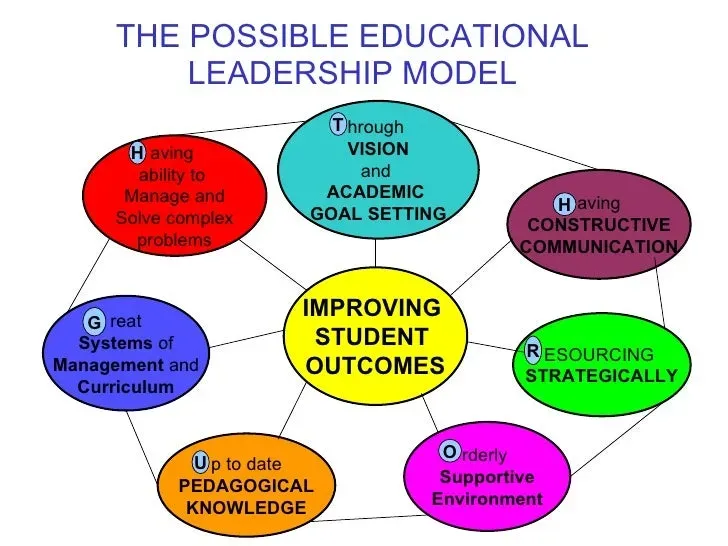
Education Leadership is not merely a title or a policy brief, but the practice of guiding teaching and learning and elevating teachers as active agents of change. When leadership is shared across classrooms and teams, teachers experience teacher empowerment and contribute to decisions that shape classroom practice and student outcomes. This collaborative approach, a core aspect of leadership in education, catalyzes experimentation, accountability, and sustained improvement. The article offers practical strategies for implementing distributed leadership, and for embedding professional development for teachers and a culture of collaborative inquiry. By equipping educators to lead change, schools can advance school improvement and strengthen communities through better learning environments.
Educational leadership for learning unfolds as a collaborative network where teachers, coaches, and leaders co-create practice. This instructional leadership approach shifts responsibility toward classroom practitioners, fostering teacher agency and shared decision-making. By prioritizing collaborative professional learning communities and equitable access to resources, schools pursue sustainable improvement. The framework emphasizes distributed leadership, data-driven collaboration, and reflective practice as core drivers of school improvement. In this view, leadership is not a title but a set of behaviors that mobilize talent, trust, and continuous growth across the system.
Education Leadership in Practice: Empowering Teachers to Lead School Improvement
Education Leadership is not a title hung on a door; it is the daily practice of guiding teaching and learning in ways that elevate teachers as active agents of change. When leadership is shared across classrooms, departments, and support roles, teachers gain voice in decisions about curriculum, assessment, and learning environments. This distributed approach unlocks deeper levels of teacher empowerment and accelerates improvements in student outcomes and well-being.
To put Education Leadership into action, schools establish structures that support professional development for teachers, ongoing coaching, and time for collaborative inquiry. Professional learning communities, peer observation, and data-informed discussions create a culture where teachers lead improvements in practice, rather than merely implement policies.
Leaders who champion Education Leadership also focus on accountability that is developmental, transparent, and equity-centered. When teachers are empowered to experiment and reflect, school improvement becomes a shared journey with sustainable impact beyond any single initiative.
Distributed Leadership and Collaborative Inquiry for Sustainable School Improvement
Distributed leadership reframes leadership from a single role to a networked system that includes department chairs, lead teachers, instructional coaches, and mentors. This shift strengthens leadership in education, reduces bottlenecks, and creates a ready pipeline for future school leaders while centering teacher empowerment in everyday practice.
With a focus on professional development for teachers, distributed leadership relies on ongoing, job-embedded learning. Through collaborative inquiry—professional learning communities, data reviews, action research cycles, and cross-team collaboration—teachers test strategies, monitor effects, and refine instruction in real time to drive school improvement.
Pragmatic practices include protecting time for PLCs, establishing clear norms, and ensuring an equitable distribution of resources and responsibilities. When every educator has a stake in decisions that affect classroom practice, leadership in education becomes sustainable and inclusive.
Frequently Asked Questions
What is Education Leadership and how does distributed leadership empower teachers and drive school improvement?
Education Leadership is the practice of guiding teaching and learning, not merely a title or policy brief. When leadership is distributed across teachers, instructional coaches, and principals, it creates a system where educator agency and collaboration fuel school improvement. This approach strengthens teacher empowerment and expands professional development for teachers by embedding leadership in daily practice, pedagogy, and decision-making. Practical steps include establishing professional learning communities, protecting time for collaboration, appointing teacher leaders, and using data-informed cycles to refine instruction and student outcomes.
What practical steps can school leaders take to advance Education Leadership through professional development for teachers and collaborative inquiry?
Leaders can start by articulating a clear, shared vision for Education Leadership and by protecting time and resources for teachers to collaborate. Develop teacher leadership roles (PLC facilitators, mentors, data partners) and design ongoing, job-embedded professional development for teachers connected to classroom needs. Create routine data reviews and feedback loops, ensure ethical data use, and foster psychological safety so staff feel comfortable testing ideas. Finally, align practices with school improvement goals, monitor impact with measurable metrics, and emphasize equity and inclusive practices.
| Area | Key Point | Takeaways |
|---|---|---|
| What Education Leadership Is | Education Leadership encompasses the behaviors, structures, and cultures that enable learning; it is not a single policy, and teachers act as co-designers; when capacity and agency are invested, improvements endure. | Fosters sustained improvement, aligns vision and resources, and involves teachers at all levels. |
| Teacher Empowerment | Empowered teachers own their classrooms, have professional purpose, and autonomy to tailor instruction; frontline insights improve curriculum, pacing, and supports; collaboration and risk-taking grow. | Cultivates talent, values voice, and supports ongoing professional growth. |
| Distributed Leadership | Leadership becomes a dynamic system across roles (department chairs, lead teachers, mentors, coaches); reduces bottlenecks and builds a leadership pipeline through PLCs, cross-team collaboration, and data reviews; requires clear norms and transparent decision-making with equitable time and resources. | Speeds problem-solving and sustainability of leadership across the school. |
| Culture of Collaborative Practice | A collaborative culture values inquiry, feedback, and shared accountability; leaders foster psychological safety; collaboration includes admins, families, and community partners; professional development becomes ongoing daily practice. | Embedded in routines, lesson design, and assessment feedback. |
| Strategies for School Leaders | Key actions include: 1) Articulate a clear vision for Education Leadership; 2) Invest time, space, and resources for teachers; 3) Develop robust professional development; 4) Create teacher leadership roles and pathways; 5) Use data ethically and effectively; 6) Nurture equity through inclusive practices. | Anchor decisions, enable implementation, and advance equity and outcomes. |
| Feedback and Reflection | Continuous feedback loops from principals, peers, students, and families; weekly reflection integrated into routines; builds motivation and improves practice. | Supports a positive cycle of improvement and value for teachers. |
| Measuring Impact | Measure leadership impact with student and teacher outcomes: achievement trends, engagement, attendance, graduation readiness, equity in access; include teacher efficacy, retention, PD participation; publish progress to maintain momentum. | Data-informed decisions foster trust and ongoing improvement. |
| Overcoming Challenges | Common barriers include time constraints, budgets, and resistance; strategies: start with high-leverage pilots, cultivate champions, communicate wins, and use phased milestones. | Maintains momentum and refines practices through feedback. |
| Real-World Examples | Districts implementing Education Leadership report stronger collaboration and improved classroom practices; examples include a data-informed literacy plan and a redesigned instructional schedule. | Shows core principles in action: empower teachers, share leadership, align resources. |
| Conclusion | Education Leadership, when practiced as a shared responsibility, leads to improved student outcomes, collaborative cultures, and equitable education. | Represents an ongoing journey toward transformational change. |
Summary
Education Leadership sits at the heart of contemporary schools, guiding teaching and learning by empowering teachers and distributing leadership across the school community. A descriptive examination reveals how distributed leadership, collaborative culture, and ongoing professional development yield durable gains in student outcomes, teacher efficacy, and equity. For education leadership practitioners and school leaders, implementing structured professional learning communities, data-informed practices, and inclusive strategies builds momentum and a culture of inquiry. In sum, Education Leadership reframes leadership as a shared practice that unites vision, people, and evidence to improve learning for all students, sustaining transformation over time.