Software

Software licensing: From Per-Seat to SaaS Models Explained

Software licensing is the backbone of how organizations access and deploy technology, shaping who may use it, when, and under what conditions.From legacy arrangements to cloud-based BYOD-friendly models, per-seat licensing remains a straightforward approach for counting authorized users while driving predictable budgets, and it influences user provisioning, license reconciliation, and the ability to plan for seasonal staffing.

Software licensing: From Per-Seat to SaaS Models Explained Read More »

Modern DevOps for Software Teams: Key Practices and Tools

Modern DevOps for Software Teams is more than a toolkit; it is a philosophy that aligns developers, operators, and product stakeholders around fast, reliable software delivery and shared accountability.In this shift, teams embrace a curated set of DevOps practices that emphasize automation, continuous feedback, and close collaboration across roles, geographies, and project timelines; this cross-functional approach reinforces product-minded thinking, reduces handoffs, and aligns incentives across teams, ensuring that automation serves business goals.

Modern DevOps for Software Teams: Key Practices and Tools Read More »

Open-Source Software: Pros, Cons, and Use Cases in 2025

Open-Source Software (OSS) has transformed how organizations build, deploy, and scale technology, offering transparency, collaborative development, and flexible licensing that drive rapid innovation, enabling teams to tailor stacks to exact needs, integrate with open standards, and attract diverse contributors from across the ecosystem.This model highlights open-source advantages such as lower upfront costs, rapid iteration, broad experimentation, and the ability to regain control over roadmaps, security reviews, and dependency management without relying on a single vendor.

Open-Source Software: Pros, Cons, and Use Cases in 2025 Read More »

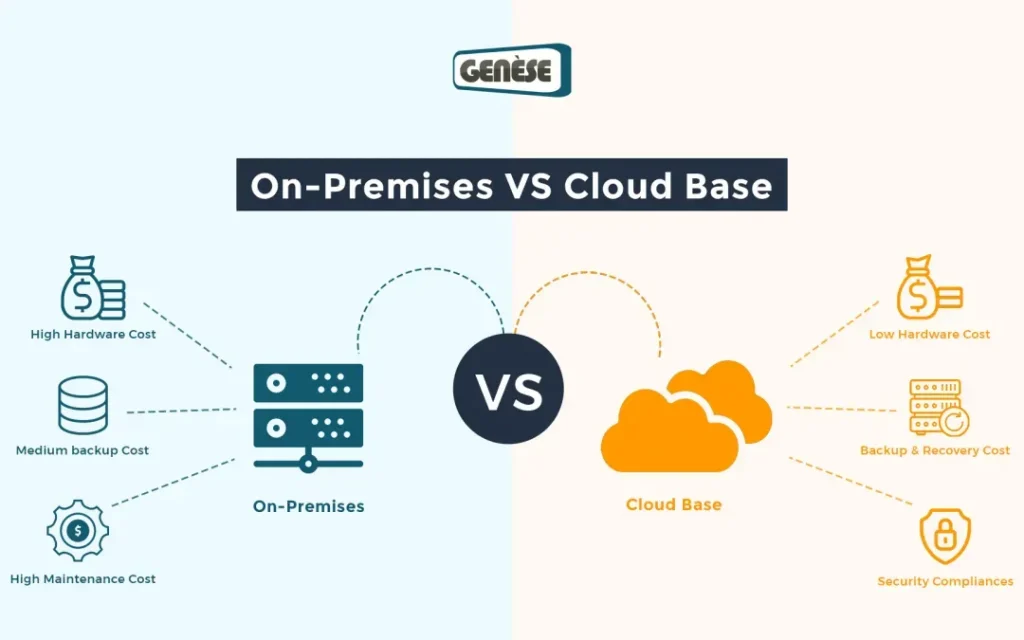
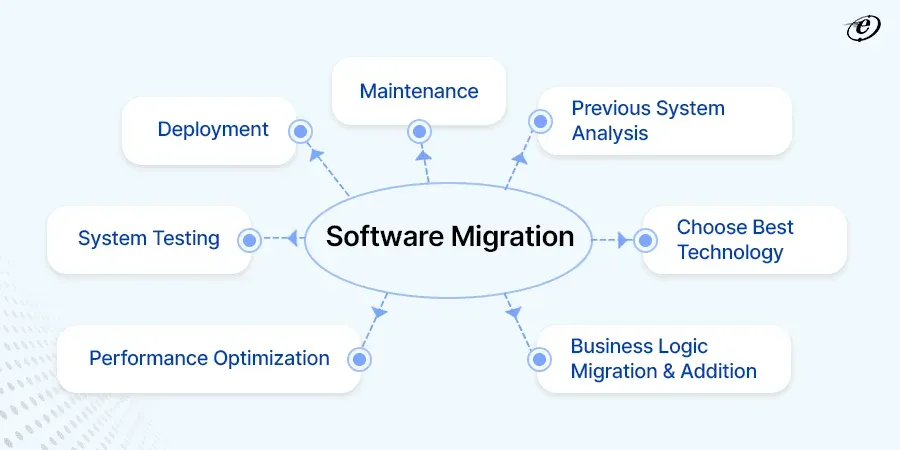
Software Migration Best Practices for Cloud Success

Software Migration Best Practices provide a clear map for moving applications to the cloud with confidence and control, balancing speed, cost, and governance while setting a foundation for scalable, secure, and resilient operational environments, and guiding digital transformation initiatives across business units.By aligning cloud migration strategies with risk management principles, organizations can minimize downtime, protect sensitive data, meet regulatory requirements, establish measurable targets for success, and build cross-functional alignment across IT, security, and operations.

Software Migration Best Practices for Cloud Success Read More »

Software Trends 2025: Top Innovations Shaping Tech

Software Trends 2025 are redefining how products are imagined, built, and scaled across industries, signaling a shift toward intelligence, automation, and adaptive architectures that continuously learn from real-world usage to improve design decisions, enhance operational resilience, and accelerate value delivery.AI-powered software is driving smarter interfaces and backend decisions, enabling personalized experiences, proactive support, and faster value realization, while prompting careful attention to governance, explainability, and safety in increasingly autonomous systems.

Software Trends 2025: Top Innovations Shaping Tech Read More »

dtf transfers

| turkish bath |

© 2026 WeTechTalk