Software

Software security essentials: Protecting data & apps in 2025

Software security essentials are no longer optional; they are a business imperative that protects customers, data, and an organization’s reputation in an increasingly interconnected digital economy.In 2025, securing software means adopting a deliberate, repeatable approach that spans the entire lifecycle—from design to deployment and ongoing maintenance, with measurable governance metrics and executive visibility.

Software security essentials: Protecting data & apps in 2025 Read More »

Open Source Software: Pros, Cons, and Top Projects

Open Source Software has transformed how individuals, startups, and large organizations build, deploy, and scale technology by enabling rapid experimentation, transparent collaboration, and community-driven development.From a practical viewpoint, the benefits of open source platforms include lower upfront costs, faster feature delivery, broader quality assurance, and the freedom to adapt the code to evolving needs.

Open Source Software: Pros, Cons, and Top Projects Read More »

Software Testing 101: Manual, Automated, and Beyond

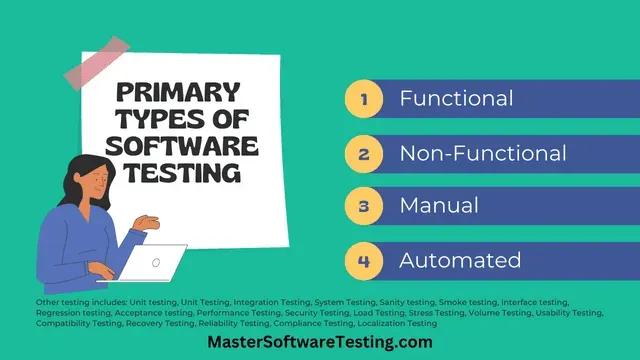
Software Testing 101 sets the stage for understanding how to balance speed, risk, and quality in software development for teams of varying sizes and disciplines.From the outset, it invites you to consider manual testing and automated testing as complementary approaches, while a broader software quality assurance mindset helps you evaluate processes, tools, and teams and the role of test automation in continuous delivery.

Software Testing 101: Manual, Automated, and Beyond Read More »

Accelerate Digital Transformation with Smart Software

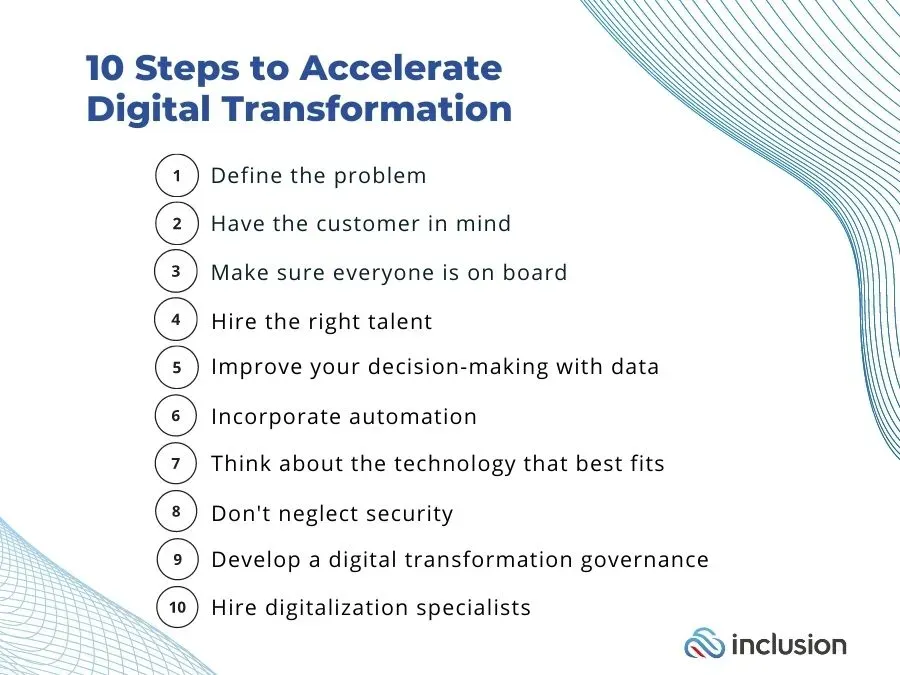
Accelerate Digital Transformation is not just about technology; it’s a strategic journey that unites people, processes, and software to deliver faster, more valuable business outcomes and a clear competitive edge.A robust digital transformation strategy defines the why, the what, and the how, translating bold goals into actionable initiatives and aligning executives, IT, and operations around shared metrics.

Accelerate Digital Transformation with Smart Software Read More »

Edge Computing: Designing for Low Latency in Real-Time Apps

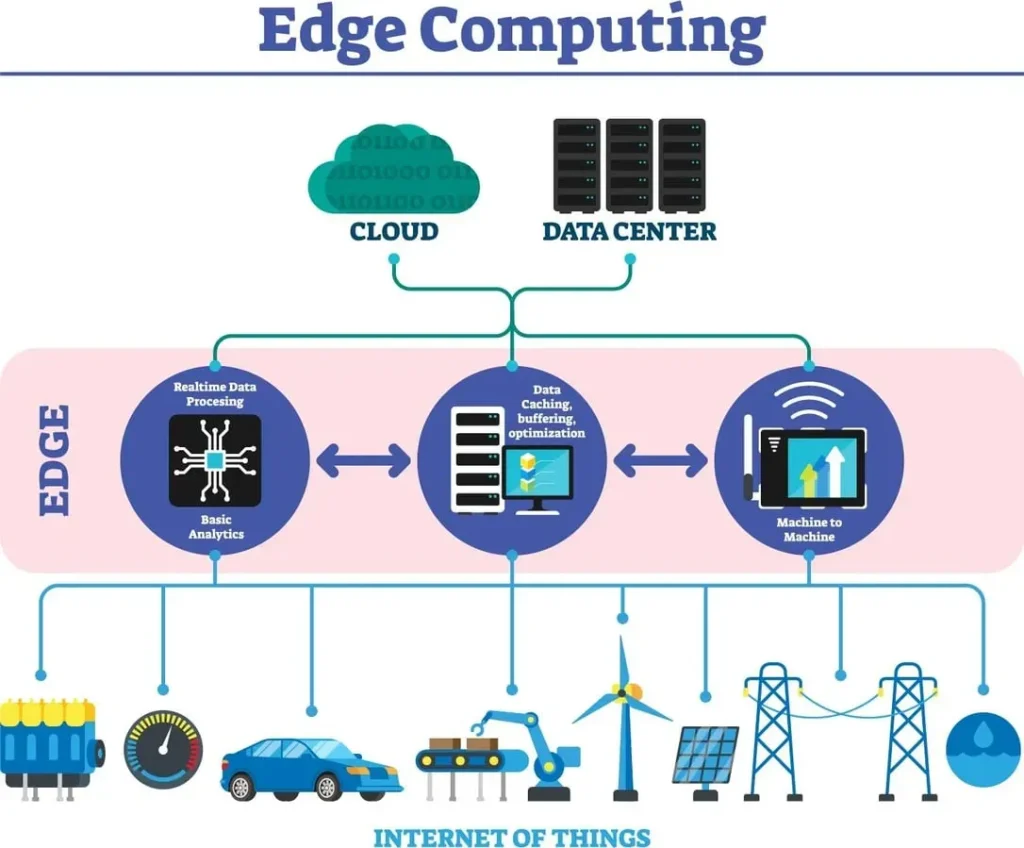
Edge computing has evolved from a buzzword into a practical foundation for faster, more resilient software systems across industries, enabling smarter devices to act with confidence, adapt to changing conditions, and operate even when central services are unavailable.In this era, low latency edge computing powers real-time decisions, reduces bandwidth costs, and improves reliability by keeping critical processing close to data sources, benefiting applications like intelligent manufacturing, autonomous systems, and responsive retail experiences.

Edge Computing: Designing for Low Latency in Real-Time Apps Read More »

SaaS for Small Businesses: A Practical Guide to Efficiency

SaaS for Small Businesses is more than a software delivery model; it represents a strategic shift toward cloud-hosted tools that eliminate the heavy upfront capital required by on-premise systems while delivering predictable monthly costs, automatic updates, faster provisioning, and the flexibility to tailor configurations to different teams and workflows across sales, marketing, finance, and operations, plus the ability to start small with a minimal viable configuration and scale modules as value is proven.For SMBs seeking agility, scalability, and a competitive edge, SaaS for SMBs offers a predictable cost structure, quicker deployment, easier ongoing management, and the capacity to test processes, iterate on workflows, and connect new applications without disruptive upgrades, which reduces risk while giving finance and operations teams a clearer view of value and ROI.

SaaS for Small Businesses: A Practical Guide to Efficiency Read More »

Software development: idea to scalable product guide

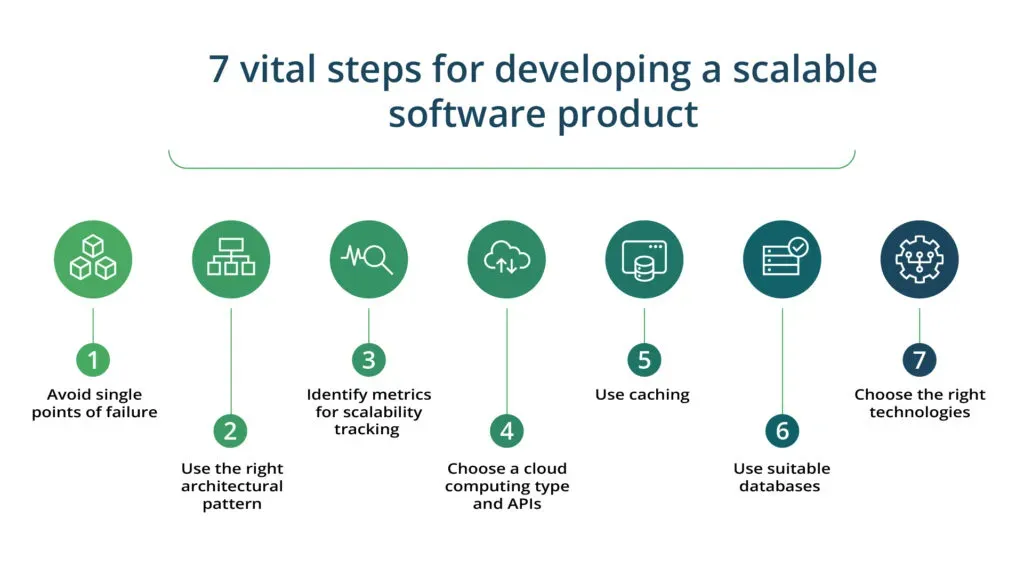
Software development: idea to scalable product is not merely a catchy label; it is a practical framework that helps teams transform a nascent concept into a product that can grow with real user demand, expanding data ecosystems, evolving user journeys, and diverse integrations, all while maintaining clarity about value, scope, governance, risk management, and the measurable outcomes stakeholders expect from a successful digital initiative, emphasizing stakeholder alignment, risk-aware budgeting, and the disciplined reuse of proven patterns to reduce time-to-value, while preserving adaptability as markets shift, enabling teams to plan for incremental growth, predictable milestones, and continuous learning across multiple release cycles.From the outset, the approach anchors itself in the software development lifecycle, aligning discovery, design, implementation, testing, release, and operation into repeatable patterns that teams can tailor to their domain context, regulatory constraints, budget realities, talent capabilities, and customer workflows, ensuring that every decision advances value, quality, reliability, performance, and the organization’s learning velocity; such tailoring respects organizational maturity while preserving speed, ensuring alignment with strategic goals and governance frameworks across product, security, and compliance teams.


Software development: idea to scalable product guide Read More »

Software Portfolio Management: Optimize Your Toolkit

Software Portfolio Management is more than a simple ledger of projects.It connects technology work to business strategy, ensuring that initiatives—from modernization efforts to new product features—deliver measurable value across the organization and signal a clear path from idea to impact, and aligns metrics to real value delivered, making governance visible to executives and frontline teams alike.

Software Portfolio Management: Optimize Your Toolkit Read More »

dtf transfers

| turkish bath |

© 2026 WeTechTalk