
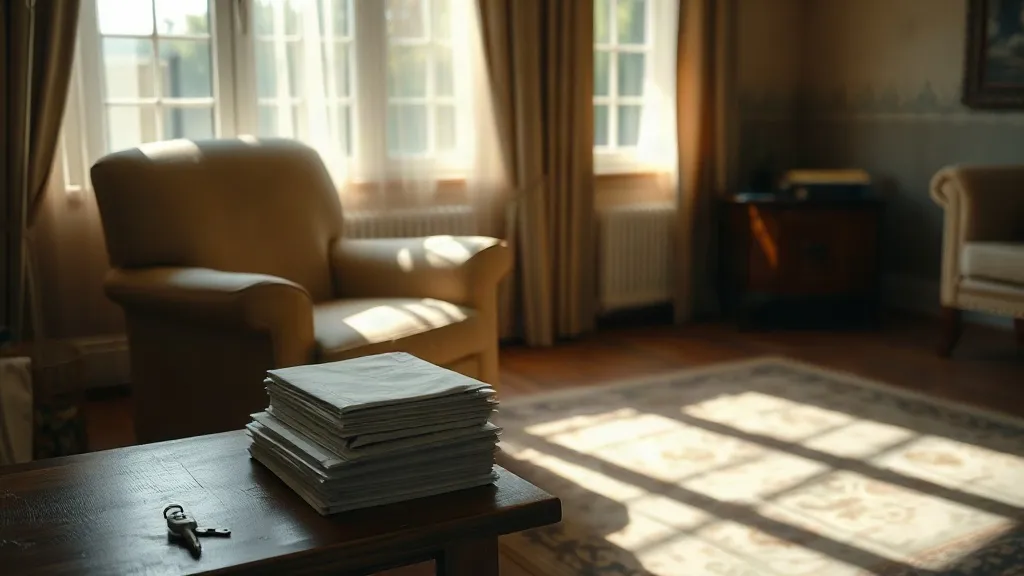
There is a particular kind of quiet that settles over a house after a partner dies. The rooms are the same, the furniture is the same, but the person who made the space feel shared is gone. For widows in blended families, that quiet often comes with a second, harder question pushing its way in: what happens to this home now, and what happens to the relationship with the stepchildren who may see it as theirs?
The dilemma is not really about real estate. It sits at the intersection of grief, money, loyalty and the messy arithmetic of a family built across two households. A widow may be torn between handing the home to her late partner's children, keeping it for herself, or stepping away from the stepkids entirely to avoid a fight she does not have the energy for. None of those options is automatically right, but each one carries consequences worth mapping out before emotions make the decision for you.
Why the House Becomes the Flashpoint
In most families, the home is the single largest asset in the estate. That alone makes it a magnet for tension. But in blended families, the house also carries symbolic weight. For stepchildren, it may represent their parent's legacy and a childhood they remember. For a widow, it is often both a financial lifeline and the place where her life with her partner actually happened.
When those two meanings collide, the conversation stops being about square footage and starts being about belonging. Adult stepchildren may feel they have a claim rooted in blood. A surviving spouse may feel her contribution to the household, sometimes years of shared bills, caregiving and renovation, gives her a claim rooted in lived experience. Both can be true at once, which is exactly why these disputes get so personal.
What matters early is separating the legal question from the emotional one. The law will tell you who owns what. It will not tell you what kind of relationship you want with your stepchildren afterward.
Start With the Paperwork, Not the Feelings
Before deciding whether to leave the home, share it, or cut contact, a widow needs a clear picture of what she actually controls. The answer depends heavily on how the property was titled and whether there was a will or trust.
- Was the home owned jointly? If it was held with rights of survivorship, the surviving partner may already own the whole property outside of probate.
- Was there a will or trust? A will may leave the home to children, to the spouse, or split it in ways that require a sale to divide fairly.
- Was there a life estate or similar arrangement? Some couples set up structures that let the survivor stay in the home for life, with ownership passing to children later. This is often the least drastic middle path, because it protects the survivor's housing while preserving the children's inheritance.
- Are there debts against the property? A mortgage, reverse mortgage or tax lien can change what is realistically possible.
This is where a probate or estate attorney earns their fee. A short consultation can clarify whether the widow has a legal right to stay, whether the stepkids have a claim, and what a sale would actually net after costs. Guessing here is expensive.
The Case for Leaving the Home to the Stepkids
Some widows choose to pass the home to their late partner's children, either outright or through an arrangement that takes effect later. It can be a generous act that keeps a family intact and honors the partner's wishes. It can also simplify a complicated estate and remove a source of ongoing conflict.
But generosity should be informed, not reflexive. Before agreeing, a widow should ask whether she can afford to give up the home, whether she has somewhere stable to live, and whether the stepchildren are asking for the house or simply for fairness. Giving away a home out of guilt, or to avoid an uncomfortable conversation, tends to breed resentment later.
The Case for Keeping It, and the Case for Cutting Contact
Keeping the home is not selfish. For many widows, it is the difference between stability and upheaval during the worst year of their life. If the law and the estate documents support her staying, she is entitled to weigh her own housing security heavily.
Cutting off contact is the option people rarely say out loud, yet it comes up when relationships have already turned hostile. Sometimes distance is a boundary, not a punishment. If stepchildren are pressuring, threatening legal action or treating the widow as an obstacle, limiting contact can protect her peace while the estate is settled. The risk is that a permanent rupture is hard to reverse once the paperwork is done and the dust settles.
A less drastic step than selling the home now and splitting the proceeds is often available. Delaying a sale, renting out a portion of the property, or agreeing to a future transfer can buy time for everyone to grieve before making irreversible choices.
How to Have the Conversation Without a Lawyer in the Room
If there is any goodwill left, a mediated conversation is worth trying before positions harden. A few practical moves help:
- Put the facts on the table first. Share the will, the deed and the mortgage details so no one is speculating.
- Separate the timeline from the outcome. Agree that no one has to decide this month.
- Name what each person actually needs. Often stepchildren want recognition of their parent, not the keys.
- Bring in a neutral third party, such as a mediator or financial adviser, if direct talks keep collapsing.
What This Means for Blended Families Going Forward
The broader lesson is uncomfortable but useful. Blended families that never discuss estate plans leave their survivors to negotiate in the dark, often while grieving. Couples who put their wishes in writing, and explain them while everyone is still speaking, spare the people they love a great deal of pain.
For the widow facing this decision now, the honest answer is that there is no single right choice. There is only the choice that fits her finances, her housing needs and the relationship she wants to preserve. Clarity about the legal facts, patience about the timing, and honesty about her own limits will do more good than any one decision made in a hurry.
Frequently Asked Questions
Does a widow automatically inherit her late partner's home?
Not always. It depends on how the property was titled. If the home was held jointly with rights of survivorship, it typically passes to the surviving partner. If it was owned solely by the deceased or held as tenants in common, the will or state intestacy rules decide, and children may have a share.
Can stepchildren force a widow to sell the family home?
They can petition a court if they hold a legal interest in the property, for example as heirs under a will or through a trust. Whether a court orders a sale depends on the estate structure, local law and whether the home can be divided another way. This is exactly the situation where an estate attorney should be consulted early.
Is it wrong to cut off contact with stepchildren after a partner dies?
There is no moral rule that requires contact. If the relationship was warm, distance usually causes regret. If it has become adversarial, a temporary boundary during estate settlement can be reasonable. Cutting contact permanently is a bigger decision and is often better made after the legal matters are resolved.
What is a life estate and could it solve this problem?
A life estate lets one person live in the home for the rest of their life while ownership passes to someone else, often children, afterward. It can protect a surviving spouse's housing while preserving the children's inheritance. It has to be set up correctly, usually with a lawyer, and it works best when planned before a death rather than after.
How long should a widow wait before deciding what to do with the home?
There is no universal deadline, but many advisers suggest avoiding irreversible decisions in the first several months of grief unless finances demand action. Use that time to gather documents, understand your rights and talk with the stepchildren. Rushing tends to produce choices people later regret.